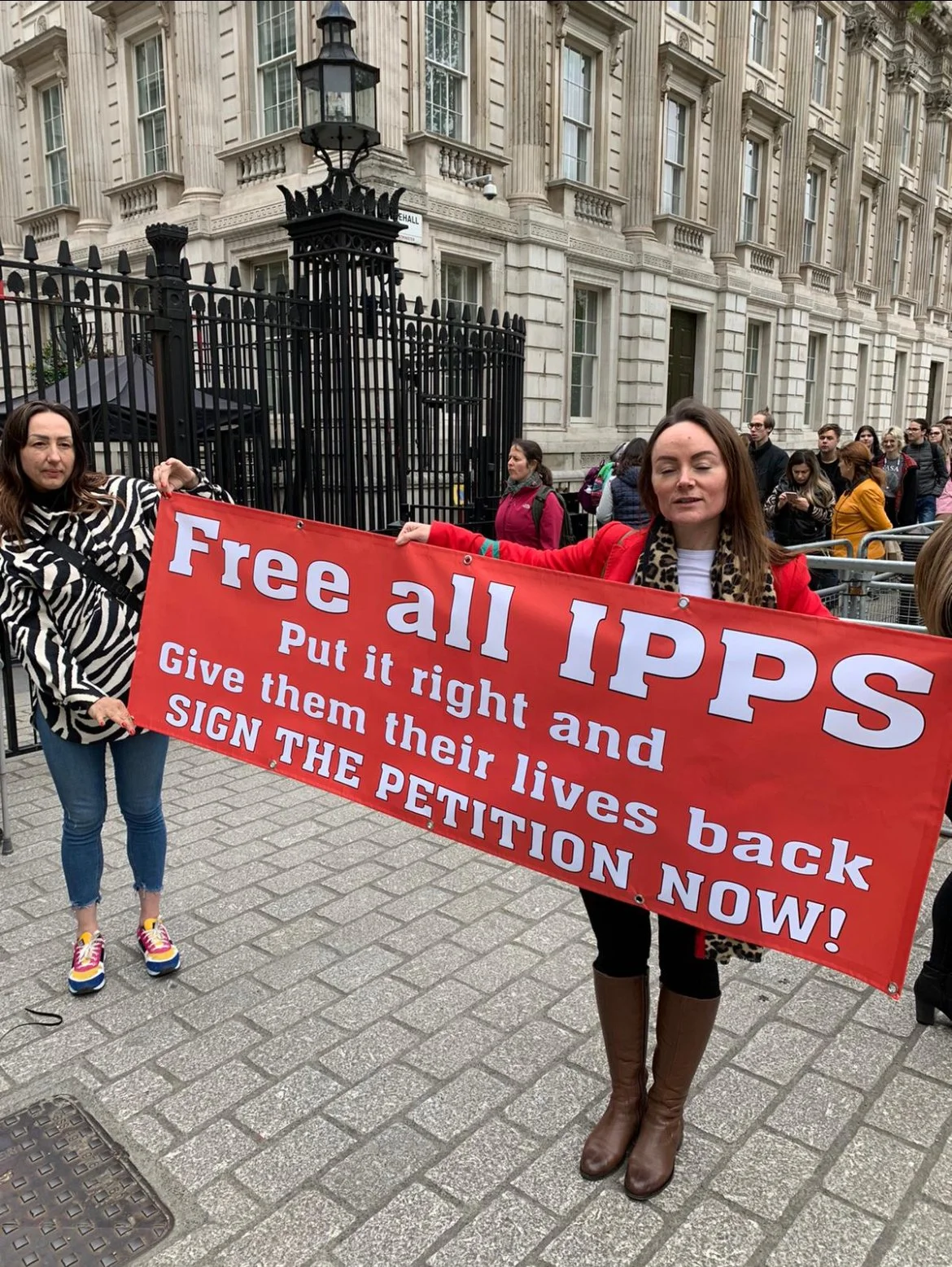
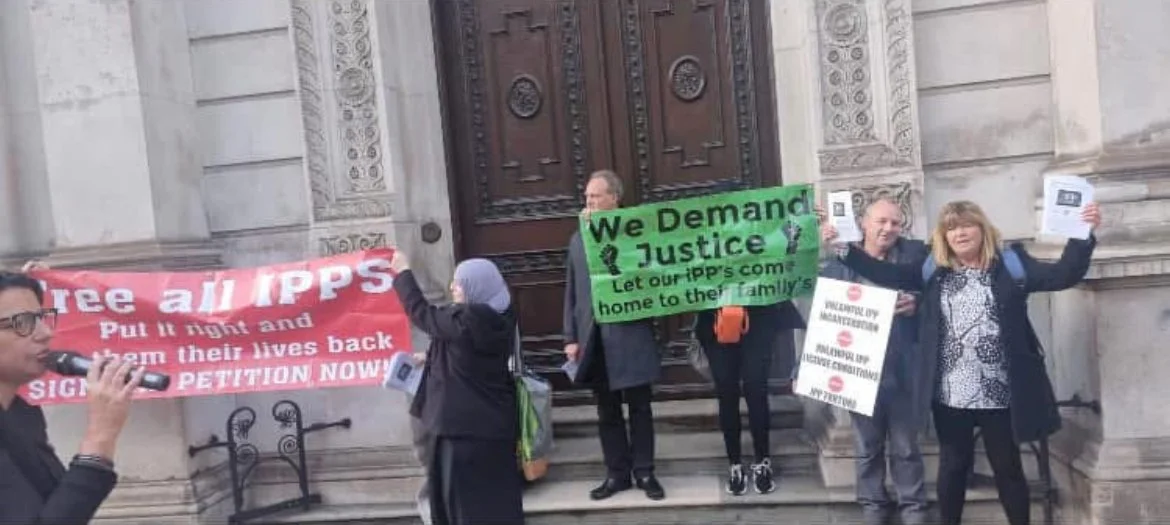
ABolish the ipp action plan and resentENCE all ipp prisoners!
Please can everyone Sign This petition to end the IPP scandal, link to it here:
Who we are
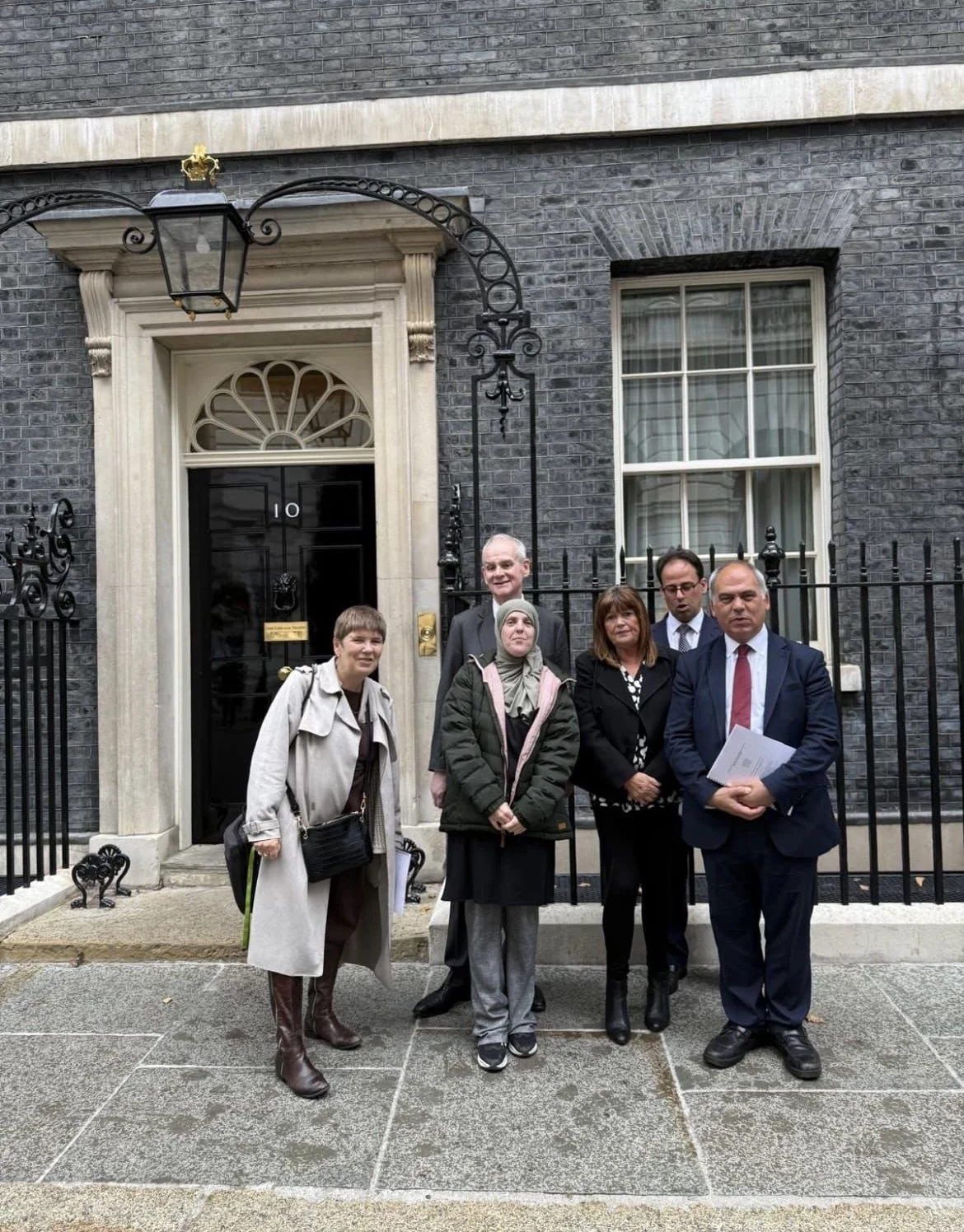
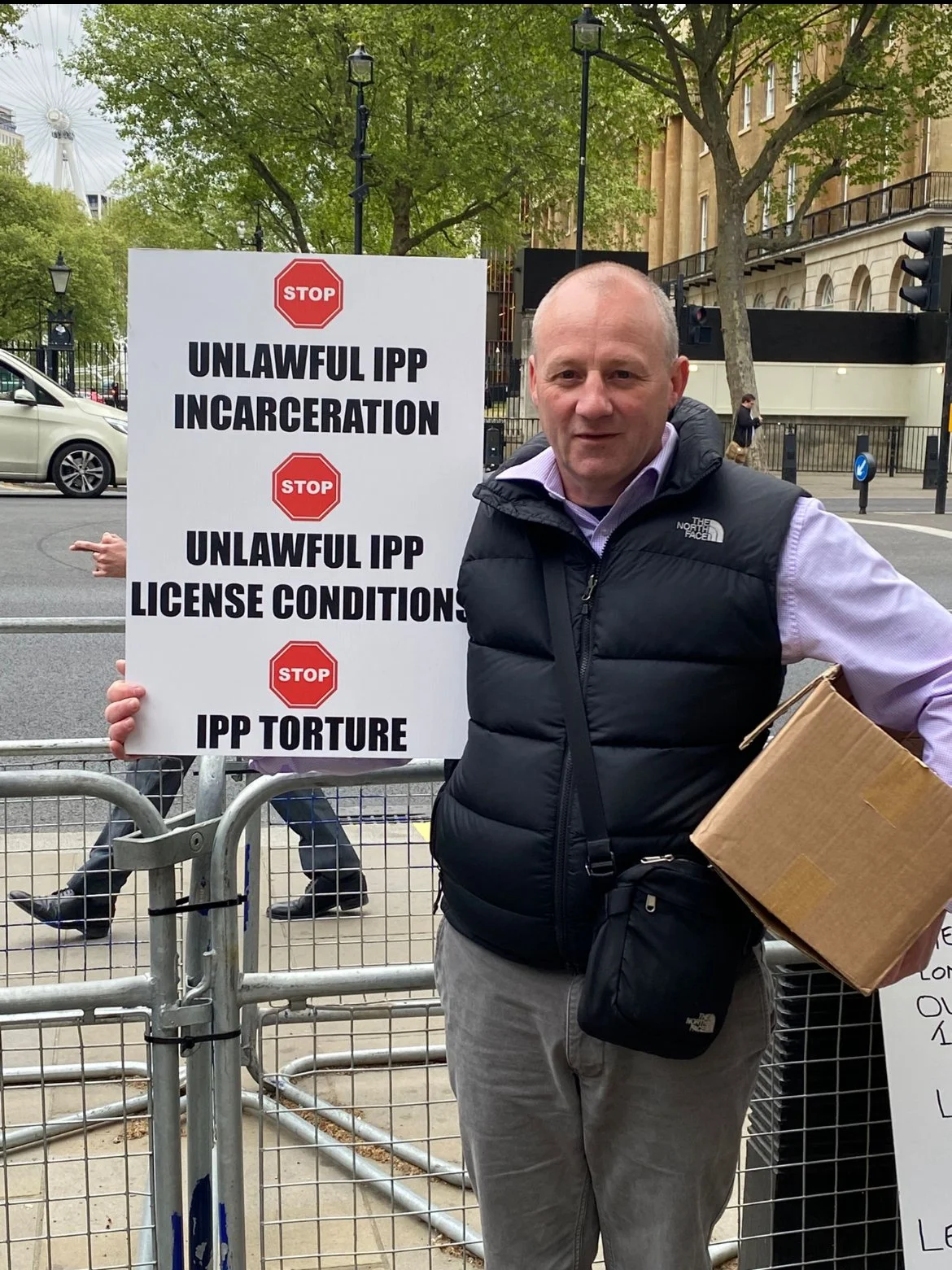
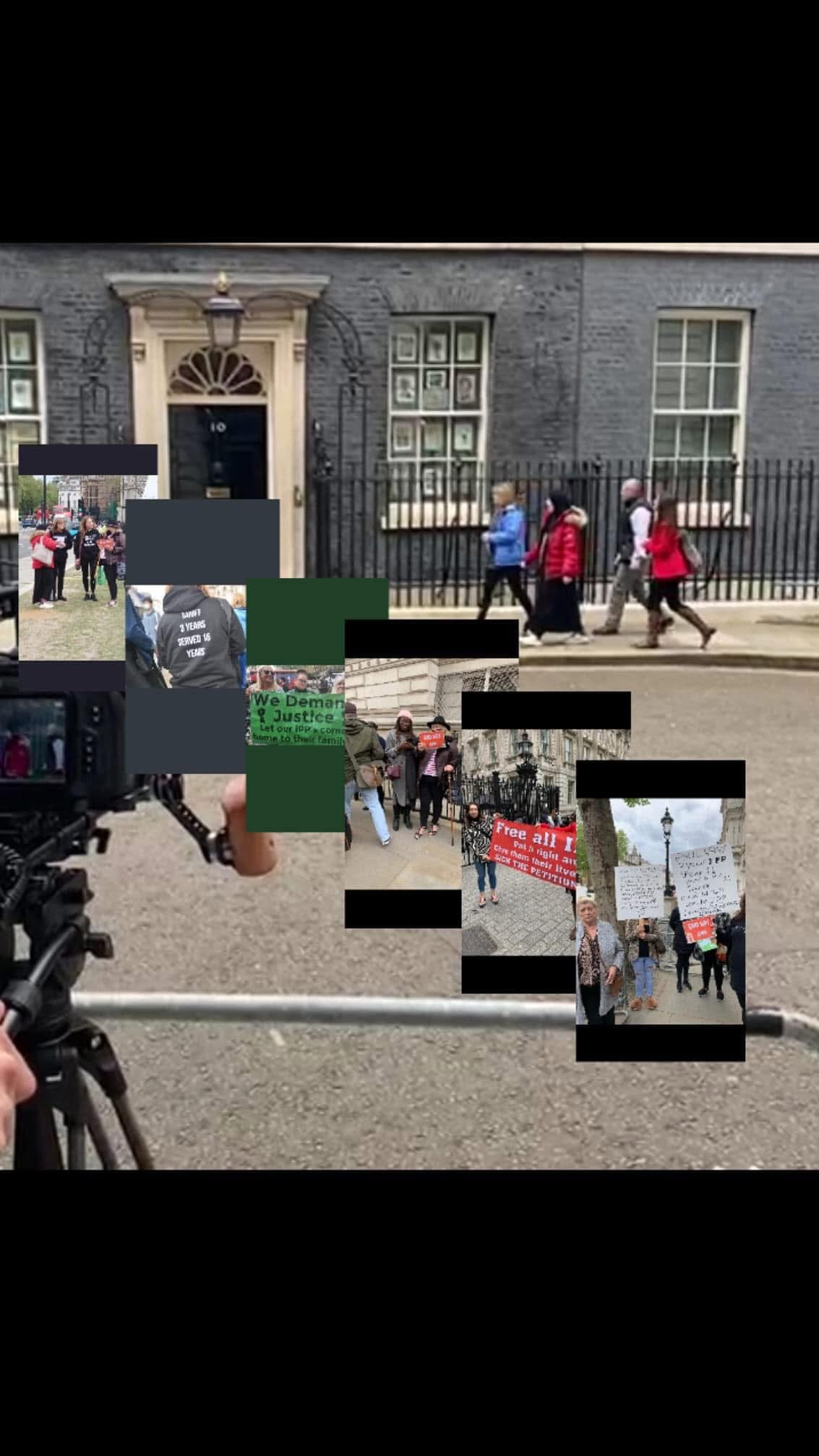
IPP Solidarity Movement are a remote family led campaign loved ones of IPP prisoners. Fighting for retrospective justice for IPP prisoners and the abolition of the IPP Action Plan.
We are families, campaigns and organisations united by one purpose, to end the injustice of the IPP sentence and to expose the harm it continues to cause in custody and the community. We are a collective of strength, care and determination. The IPP Solidarity Movement stands together for collective action, public truth, and political change. We are building pressure on parliament, raising awareness across society, until retrospective justice is done.
Timeline of IPP Policy Failure (UK)
2003: Introduction of IPP
The sentence of Imprisonment for Public Protection (IPP)was introduced under the Criminal Justice Act 2003. It allowed people to be imprisoned indefinitely beyond their tariff minimum term based on an assessment of future risk rather than the seriousness of the offence.
From the outset, IPP was imposed widely, including for people with short tariffs, without adequate provision for rehabilitation or progression pathways.
2007 to 2010: Systemic Overuse and Operational Failure
Between 2007 and 2010, IPP sentences were imposed at scale. Prison and probation services lacked the capacity to deliver the accredited courses required for progression and release.
As a result, many people remained detained beyond tariff not because of their conduct, but because the system could not process them.
2012 :Abolition Without Retrospective Remedy
In 2012, IPP sentences were abolished by the Legal Aid, Sentencing and Punishment of Offenders Act. However, abolition was not applied retrospectively. Thousands already sentenced remained subject to indefinite imprisonment and lifelong licence conditions.
This created a two-tier justice system, a sentence recognised as fundamentally flawed, yet continued indefinitely for those already caught within it.
2014 :Human Rights Breach Confirmed
In James, Wells and Lee v United Kingdom, the European Court of Human Rights found that the UK had breached Article 5 (right to liberty) by failing to provide IPP prisoners with a reasonable opportunity to reduce their risk and secure release.
The Court confirmed that post-tariff detention had become arbitrary in practice due to systemic failures.
2015 to 2021 : Continued Detention and Recall
Despite the abolition of IPP, large numbers of people remained imprisoned many years beyond tariff. At the same time, increasing numbers were recalled to prison for licence breaches rather than new criminal convictions.
Licence recall became a mechanism of repeated punishment rather than proportionate risk management.
2022: Parliamentary Findings of Ongoing Harm
The Joint Committee on Human Rights concluded that IPP sentences continued to cause serious psychological harm, including hopelessness, distress, and elevated suicide risk.
By this point, more than 80 people serving IPP sentences had died by suicide, highlighting that IPP remained an active human rights issue rather than a historical one.
2023 to 2024: IPP Action Plan Fails to Resolve Core Injustice
The government introduced an IPP Action Plan aimed at reducing the remaining IPP population through administrative measures. However, the plan did not introduce resentencing, nor did it end indefinite licence or high recall rates.
The central injustice indefinite punishment without fresh sentencing, remains unresolved.
Our Mission
To lift the voice and silence of IPP prisoners. To bring about public awareness of this inhumane sentence. To get our MPs, parliament, media and public on board to unite the fight for the overdue justice of IPP prisoners.
Our Founder
I’m Bernadette Emerson, formerly co-founder of IPP Committee in Action and now founder of IPP Solidarity Movement.
As a family member of an IPP prisoner, I have lived through the pain, fear, and injustice that this sentence inflicts every day.
The IPP Solidarity Movement is dedicated to fighting to secure retrospective justice, including the resentencing of all IPPs, the full abolition of the IPP Action Plan, and the creation of meaningful aftercare services to support survivors of this sentence as they rebuild their lives.
Our mission is simple but urgent to end the cruelty of indeterminate punishment and restore freedom, justice, and dignity to everyone still living under the shadow of the IPP.