
UN Complaint on the Indeterminate Sentence for Public Protection (IPP)
Served to the United Nations Working Group on Arbitrary Detention
In September 2025, a formal complaint was served to the United Nations Working Group on Arbitrary Detention (WGAD) by a coalition of campaigners, IPP survivors, and an international human rights barrister, on behalf of all those still detained or recalled under the Indeterminate Sentence for Public Protection (IPP).
The submission argues that the UK’s continued use of IPP sentences long after their abolition in 2012 constitutes a violation of international human rights law and amounts to arbitrary detention under the terms of the International Covenant on Civil and Political Rights (ICCPR).
More details about the international barristers and the WGAD Complaint in link below:
Background
The IPP sentence was introduced in 2005 and abolished by Parliament in 2012, after widespread recognition that it was unjust, ineffective, and incompatible with basic principles of law. Yet more than 1,200 people remain imprisoned under IPP sentences, and thousands more live under lifelong licence, subject to recall at any time often for minor infractions or perceived “risk”.
Many IPP prisoners have served ten or more years beyond their original tariffs, enduring indefinite detention marked by bureaucratic obstruction, repeated parole refusals, and lack of access to required rehabilitation courses.
Grounds for the Complaint
The complaint asserts that the IPP regime breaches the United Kingdom’s obligations under the following articles of the International Covenant on Civil and Political Rights (ICCPR):
Article 9 -Protection against arbitrary detention
Article 7 - Prohibition of inhuman or degrading treatment
Article 10 -Right to humane treatment in detention
The submission highlights that the UK’s continued justification of IPP detention through risk-based and speculative assessments represents a fictional form of justice detaining individuals not for what they have done, but for what they might do in the future.
Key Findings and Claims
Arbitrary Detention: Continued imprisonment after tariff expiry violates the core prohibition against arbitrary and indefinite detention.
Inhuman and Degrading Treatment: The psychological impact of indefinite uncertainty, combined with systemic obstacles to release, constitutes cruel and degrading treatment.
Denial of Remedy: The UK’s refusal to provide resentencing or a statutory release framework perpetuates an ongoing human rights violation.
Discriminatory Impact: IPP prisoners and licences are treated unequally before the law, excluded from the protections afforded to all other sentenced prisoners.
What the Complaint Seeks
The complaint asks the UN Working Group on Arbitrary Detention to:
Recognise that the continued detention of IPP prisoners is arbitrary and unlawful under international law;
Recommend that the UK government immediately resentence and release all remaining IPP prisoners;
Call for the abolition of IPP licence conditions that amount to ongoing social control;
Urge the UK to provide reparations, rehabilitation, and public acknowledgment of the systemic harm caused by the IPP regime.
A Collective Act of Resistance
This submission represents the first international legal action of its kind against the UK government’s continued use of the IPP sentence.
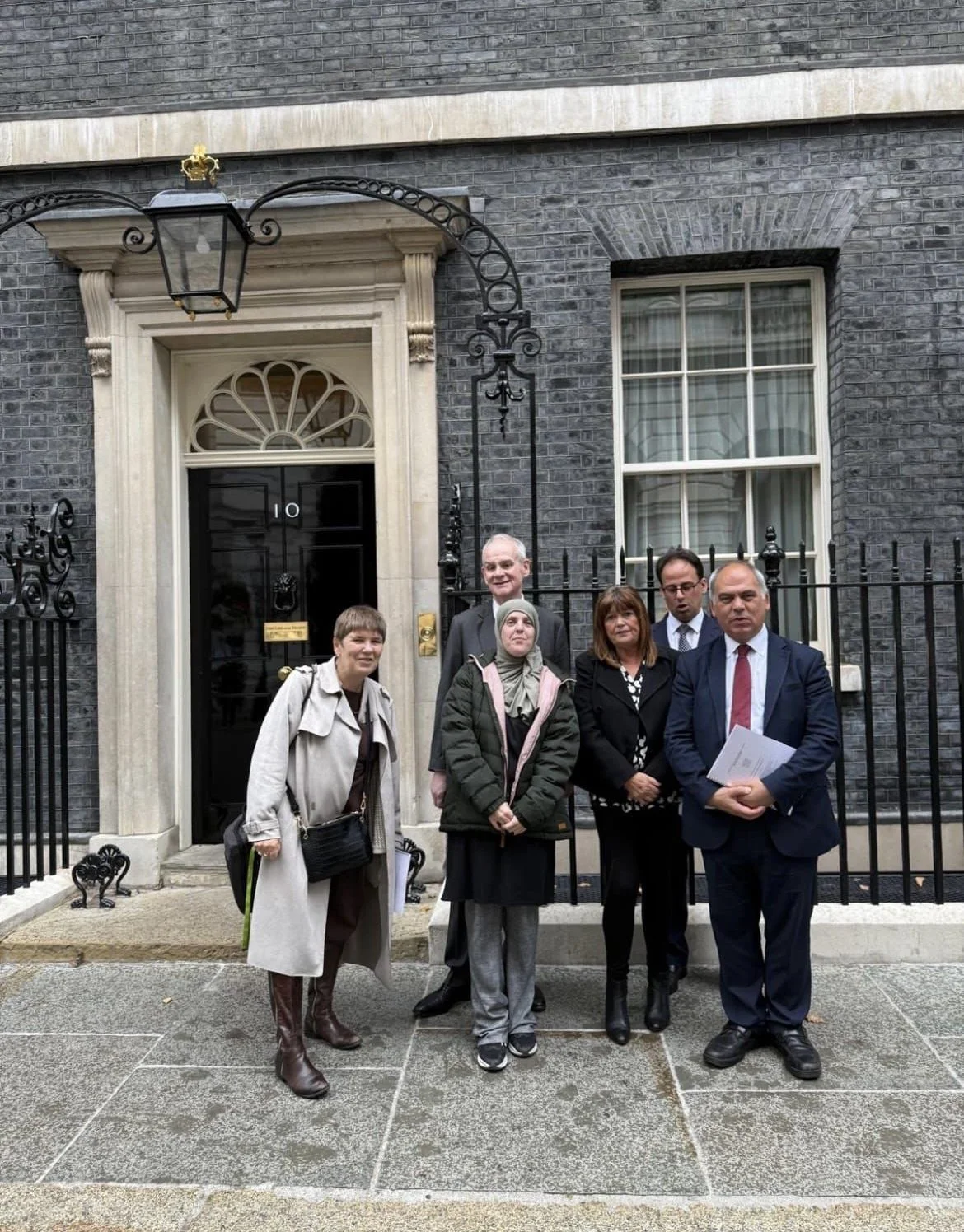
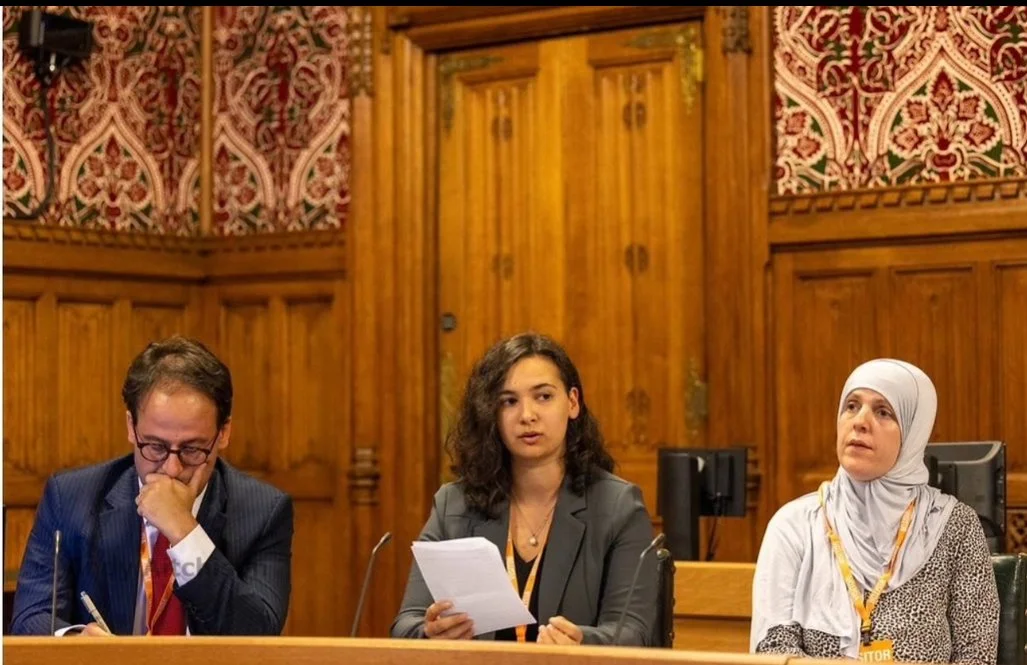
It was prepared and served by myself (Bernadette Emerson), fellow campaigners from across the IPP justice movement, and an international human rights barristers, in collaboration with affected families.
Together, we are calling on the United Nations to hold the UK accountable for the ongoing arbitrary detention, psychological harm, and institutional cruelty inflicted on IPP prisoners.
Contact us
Interested in working together? Fill out some info and we will be in touch shortly. We can’t wait to hear from you!